
Prairie Health & Wellness Newsletter — June 2025, Edition 18
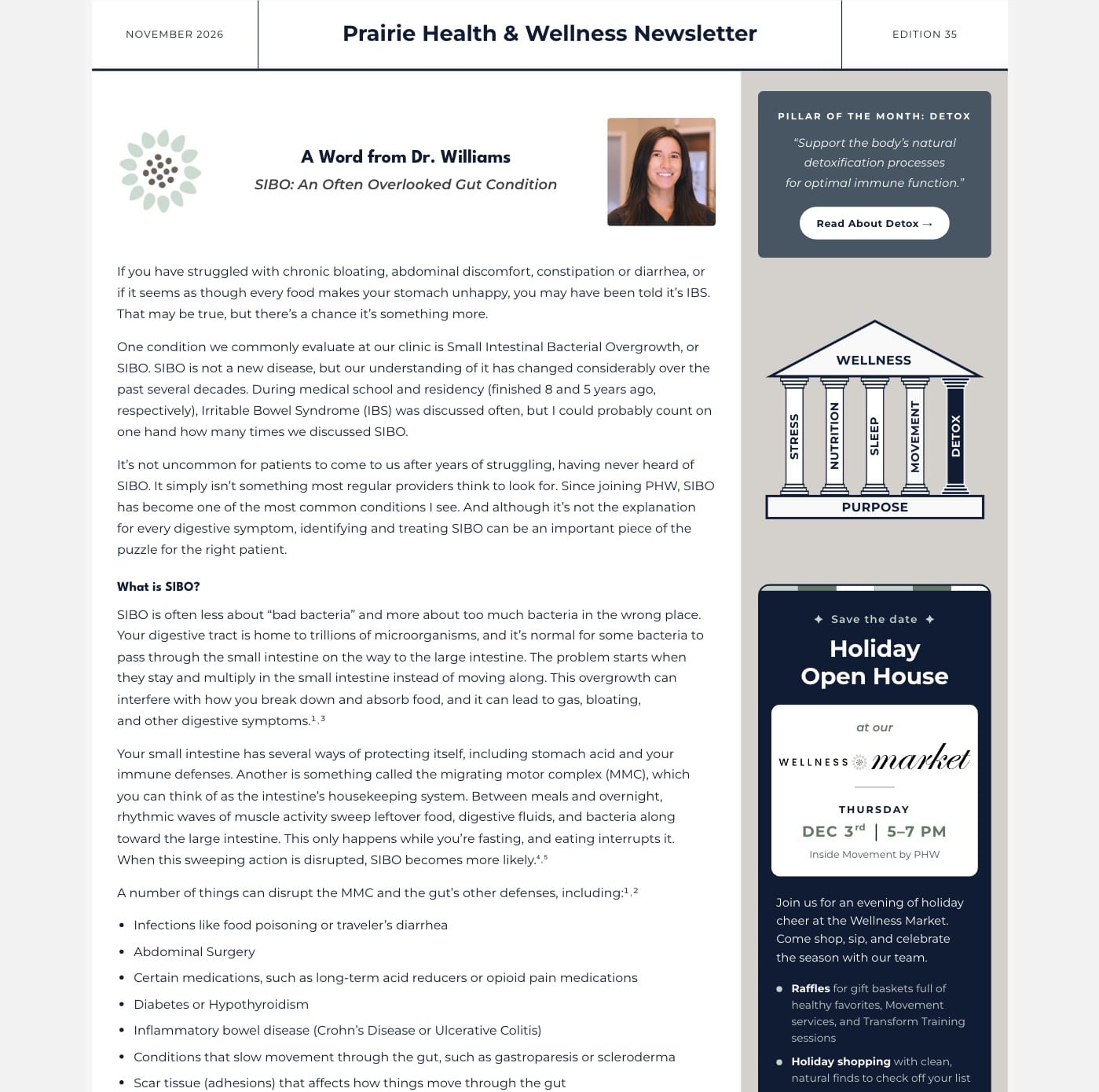
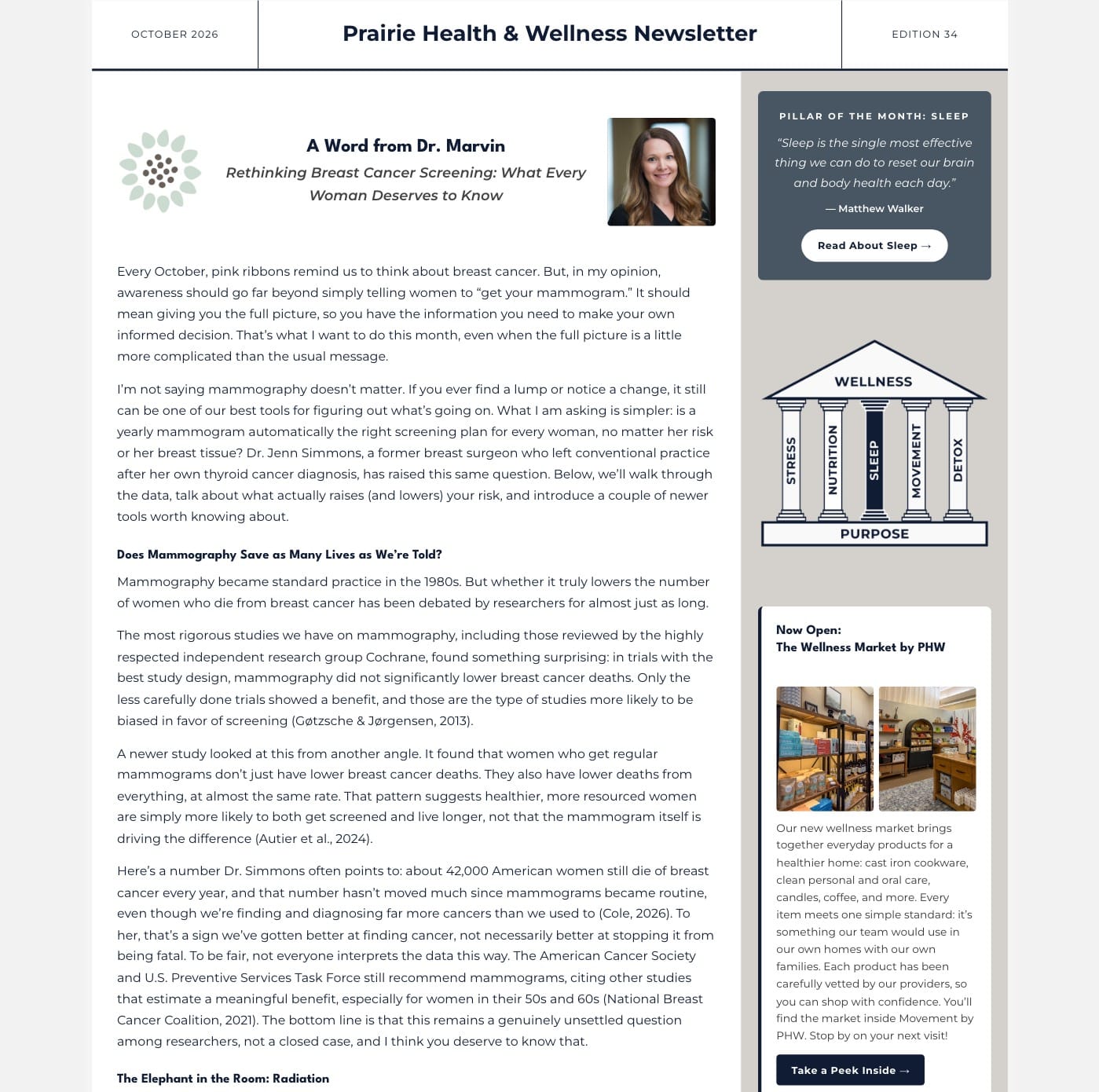
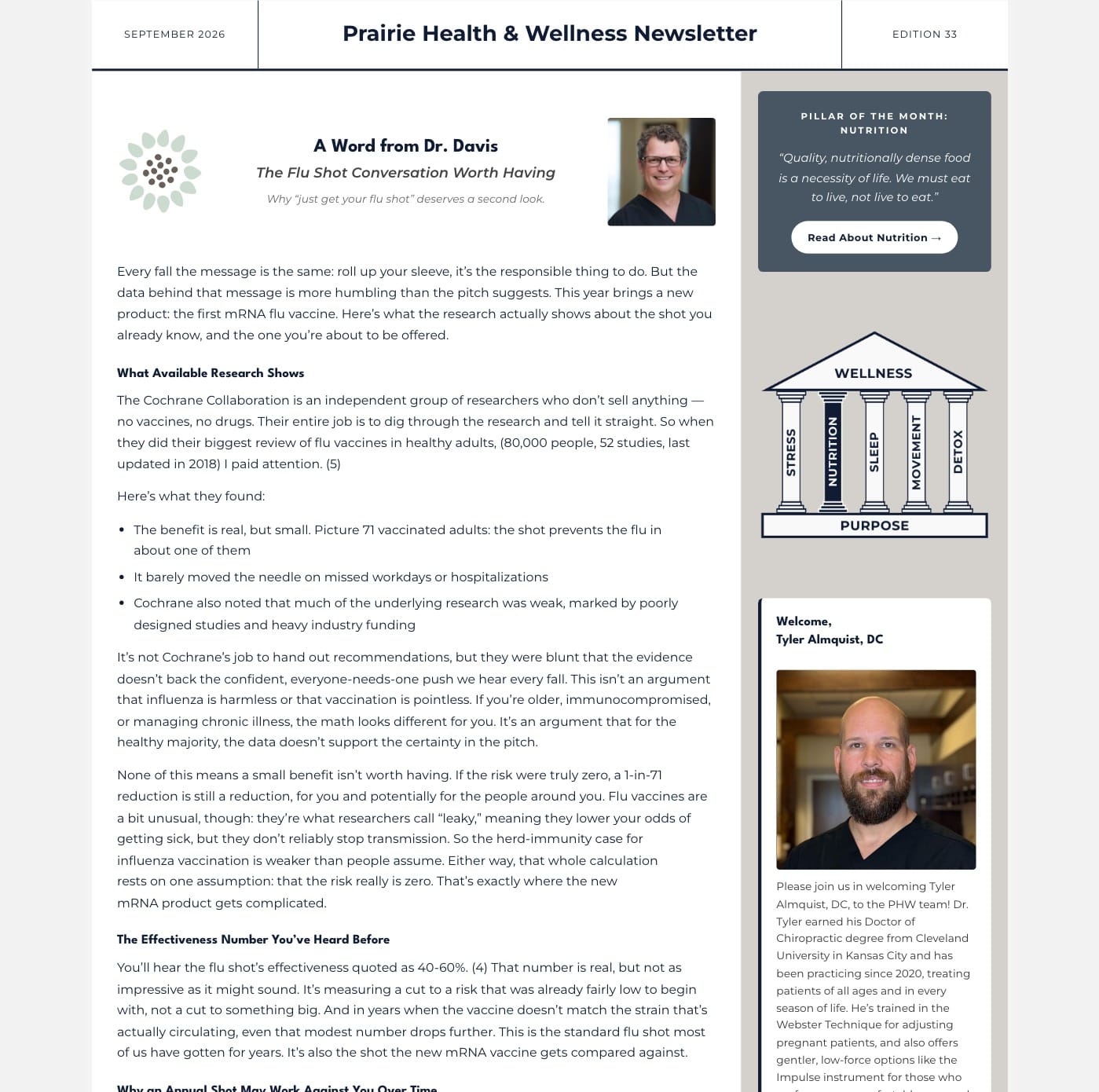
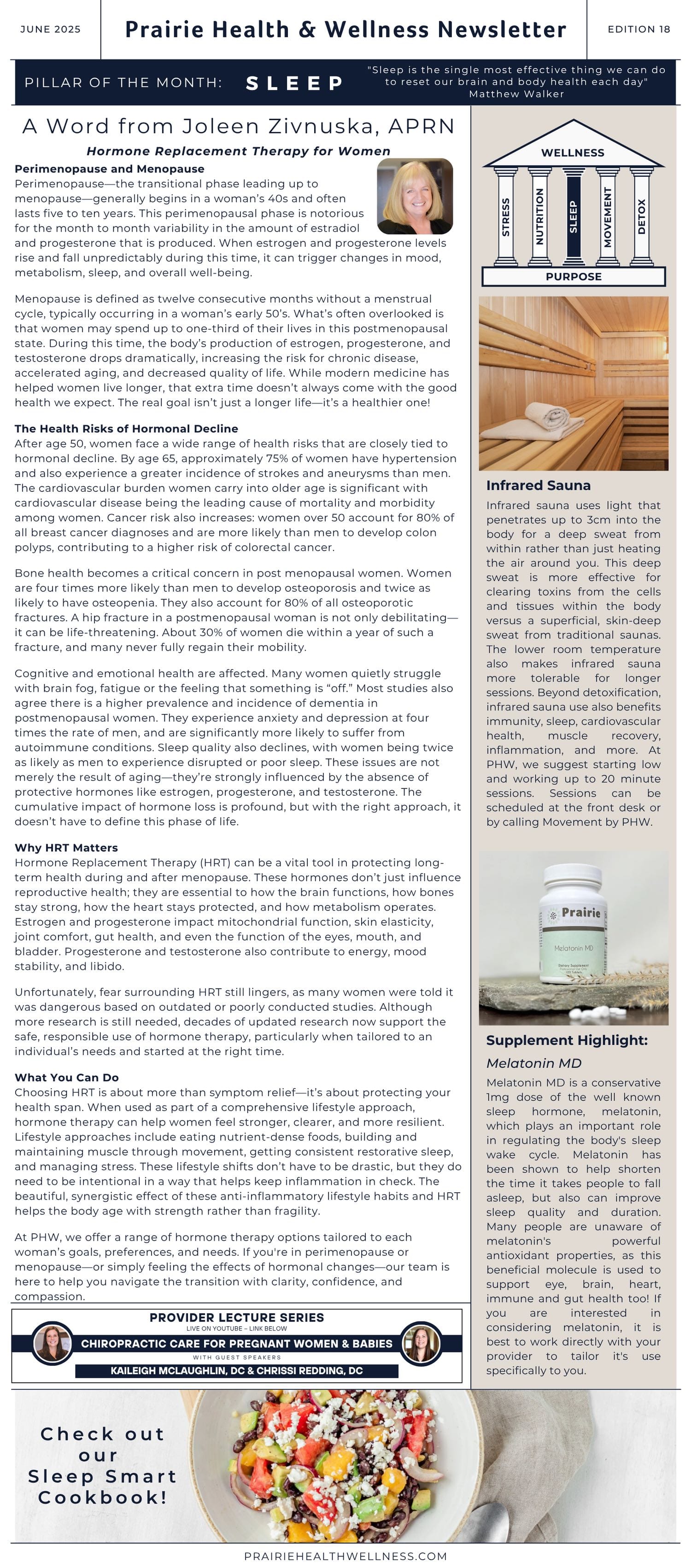
Pillar of the Month: Sleep
"Sleep is the single most effective thing we can do to reset our brain and body health each day" Matthew Walker
A Word from Joleen Zivnuska, APRN
Hormone Replacement Therapy for Women
Perimenopause and Menopause
Perimenopause—the transitional phase leading up to menopause—generally begins in a woman's 40s and often lasts five to ten years. This perimenopausal phase is notorious for the month to month variability in the amount of estradiol and progesterone that is produced. When estrogen and progesterone levels rise and fall unpredictably during this time, it can trigger changes in mood, metabolism, sleep, and overall well-being.
Menopause is defined as twelve consecutive months without a menstrual cycle, typically occurring in a woman's early 50's. What's often overlooked is that women may spend up to one-third of their lives in this postmenopausal state. During this time, the body's production of estrogen, progesterone, and testosterone drops dramatically, increasing the risk for chronic disease, accelerated aging, and decreased quality of life. While modern medicine has helped women live longer, that extra time doesn't always come with the good health we expect. The real goal isn't just a longer life—it's a healthier one!
The Health Risks of Hormonal Decline
After age 50, women face a wide range of health risks that are closely tied to hormonal decline. By age 65, approximately 75% of women have hypertension and also experience a greater incidence of strokes and aneurysms than men. The cardiovascular burden women carry into older age is significant with cardiovascular disease being the leading cause of mortality and morbidity among women. Cancer risk also increases: women over 50 account for 80% of all breast cancer diagnoses and are more likely than men to develop colon polyps, contributing to a higher risk of colorectal cancer.
Bone health becomes a critical concern in post menopausal women. Women are four times more likely than men to develop osteoporosis and twice as likely to have osteopenia. They also account for 80% of all osteoporotic fractures. A hip fracture in a postmenopausal woman is not only debilitating—it can be life-threatening. About 30% of women die within a year of such a fracture, and many never fully regain their mobility.
Cognitive and emotional health are affected. Many women quietly struggle with brain fog, fatigue or the feeling that something is "off." Most studies also agree there is a higher prevalence and incidence of dementia in postmenopausal women. They experience anxiety and depression at four times the rate of men, and are significantly more likely to suffer from autoimmune conditions. Sleep quality also declines, with women being twice as likely as men to experience disrupted or poor sleep. These issues are not merely the result of aging—they're strongly influenced by the absence of protective hormones like estrogen, progesterone, and testosterone. The cumulative impact of hormone loss is profound, but with the right approach, it doesn't have to define this phase of life.
Why HRT Matters
Hormone Replacement Therapy (HRT) can be a vital tool in protecting long-term health during and after menopause. These hormones don't just influence reproductive health; they are essential to how the brain functions, how bones stay strong, how the heart stays protected, and how metabolism operates. Estrogen and progesterone impact mitochondrial function, skin elasticity, joint comfort, gut health, and even the function of the eyes, mouth, and bladder. Progesterone and testosterone also contribute to energy, mood stability, and libido.
Unfortunately, fear surrounding HRT still lingers, as many women were told it was dangerous based on outdated or poorly conducted studies. Although more research is still needed, decades of updated research now support the safe, responsible use of hormone therapy, particularly when tailored to an individual's needs and started at the right time.
What You Can Do
Choosing HRT is about more than symptom relief—it's about protecting your health span. When used as part of a comprehensive lifestyle approach, hormone therapy can help women feel stronger, clearer, and more resilient. Lifestyle approaches include eating nutrient-dense foods, building and maintaining muscle through movement, getting consistent restorative sleep, and managing stress. These lifestyle shifts don't have to be drastic, but they do need to be intentional in a way that helps keep inflammation in check. The beautiful, synergistic effect of these anti-inflammatory lifestyle habits and HRT helps the body age with strength rather than fragility.
At PHW, we offer a range of hormone therapy options tailored to each woman's goals, preferences, and needs. If you're in perimenopause or menopause—or simply feeling the effects of hormonal changes—our team is here to help you navigate the transition with clarity, confidence, and compassion.
Provider Lecture Series
LIVE ON YOUTUBE – LINK BELOW
CHIROPRACTIC CARE FOR PREGNANT WOMEN & BABIES
WITH GUEST SPEAKERS
KAILEIGH MCLAUGHLIN, DC & CHRISSI REDDING, DC
Infrared Sauna
Infrared sauna uses light that penetrates up to 3cm into the body for a deep sweat from within rather than just heating the air around you. This deep sweat is more effective for clearing toxins from the cells and tissues within the body versus a superficial, skin-deep sweat from traditional saunas. The lower room temperature also makes infrared sauna more tolerable for longer sessions. Beyond detoxification, infrared sauna use also benefits immunity, sleep, cardiovascular health, muscle recovery, inflammation, and more. At PHW, we suggest starting low and working up to 20 minute sessions. Sessions can be scheduled at the front desk or by calling Movement by PHW.
Supplement Highlight: Melatonin MD
Melatonin MD is a conservative 1mg dose of the well known sleep hormone, melatonin, which plays an important role in regulating the body's sleep wake cycle. Melatonin has been shown to help shorten the time it takes people to fall asleep, but also can improve sleep quality and duration. Many people are unaware of melatonin's powerful antioxidant properties, as this beneficial molecule is used to support eye, brain, heart, immune and gut health too! If you are interested in considering melatonin, it is best to work directly with your provider to tailor it's use specifically to you.
Check out our Sleep Smart Cookbook!
PRAIRIEHEALTHWELLNESS.COM